


















Permanent Collection Studios: Mixing and Mastering Under One Roof
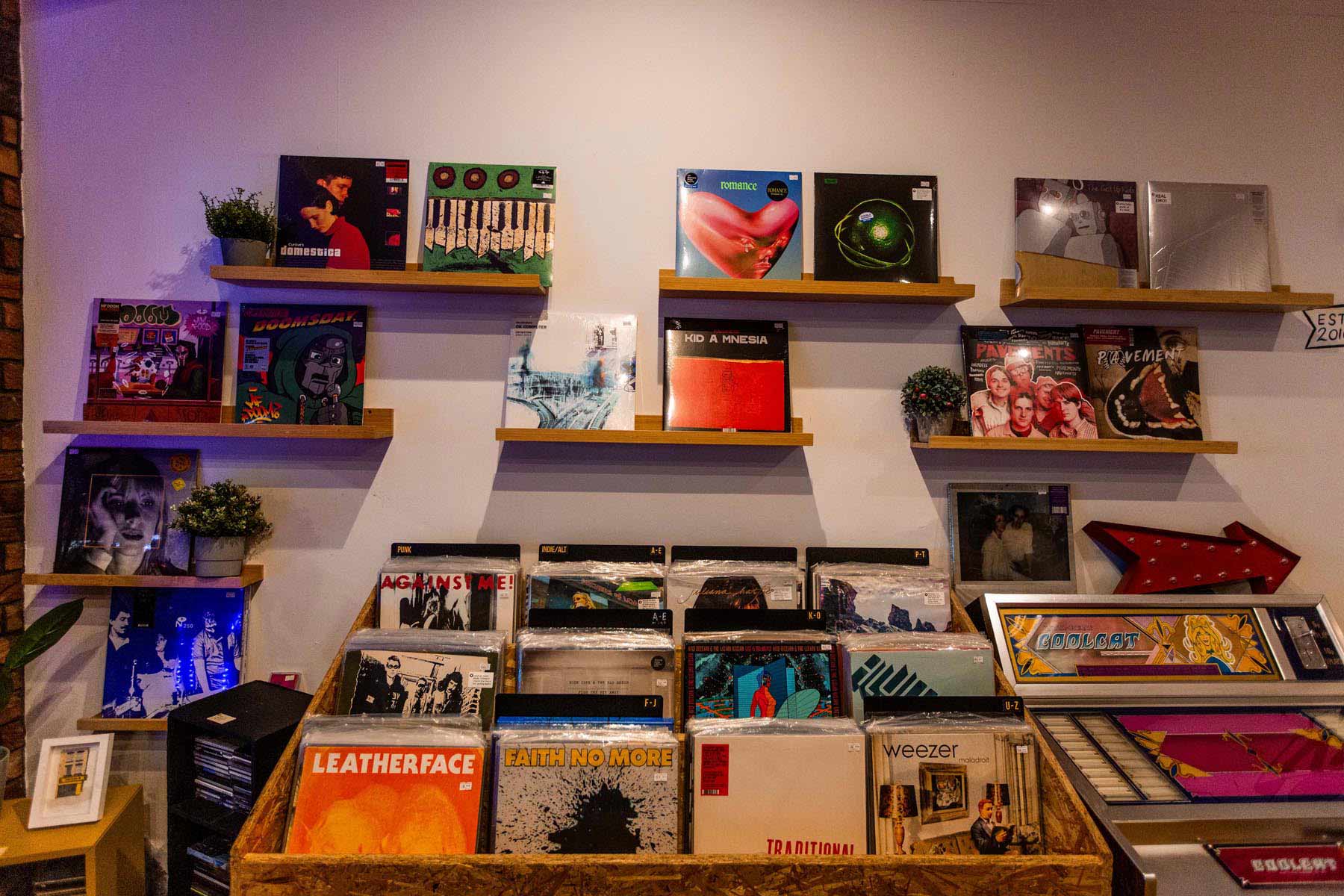
Tucked away beneath a record store in Liverpool, Permanent Collection Studios is home to two long-time collaborators working at different ends of the record-making process.
Equal parts creative workshop and technical environment, the studio is shared by Mastering Engineer Stephen Kerrison (www.stephenkerrison.com), and Producer and Mix Engineer Paul Rafferty (Ancient Plastix), covering everything from tracking, recording and songwriting, to mixing, mastering and creative sound design.
We sat down with the pair for a chat about their respective workflows, and how their RME-based setup allows them to seamlessly switch from mixing to mastering depending on who’s in the studio.
See more videos at Synthax TV
“I am solely a mastering engineer. I do nothing else.”
“I am solely a mastering engineer, I do nothing else,” explains Stephen Kerrison. “I love folk music and working with acoustic genres. I’ve always loved rock and heavier stuff too, as well as more experimental music. So I do tend to gravitate towards stuff that’s maybe a little bit more ‘left-leaning’. But I have no snobbery towards any genre at all.”
For the uninitiated, Stephen describes mastering as essentially a three-part process: quality checks, audio enhancement, and delivery mediums. Often seen as a bit of a dark art, it remains an important part of professional music production – responsible for applying the final polish to a track so it’s ready for release. When a new project comes in, what are the first steps?
“Firstly it’s a quality check for a mix,” Stephen says. “Making sure that there are no unwanted clicks or pops, and that the files are objectively ‘right’.
“Then it’s about enhancement – so it’s your compression, EQ, all that kind of cool stuff. And then delivery – creating formats. Providing exactly what a label, artist or anyone else might need to successfully release that record.”

Mastering Engineer Stephen Kerrison in the studio
It’s clear that for Stephen, mastering is as much an art as it as a craft – first and foremost, he considers himself a fan of music. Years of experience and familiarity with his space also mean decisions can be made almost immediately.
“Knowing what it needs is quite an instinctual thing,” Stephen says on the kinds of processing he might apply. “We’ve been in here for quite a while now, and the setup is always the same. My monitor level never changes. I know exactly what the room sounds like; I know exactly what the speakers sound like. So I’ll usually know within the first minute or so roughly where I want to take it, or where it needs to go.”
“And then sharing the space with Paul, who’s a really creative person, it just reminds that we’re all making music. Whatever I’m working on, I always like to make sure that ultimately, I’m thinking about it in terms of the music – how would I react to this as a listener? Rather than ‘oh it has to have this kind of processing’ or whatever.”
When it comes to his workflow, Stephen’s modern hybrid approach includes the latest software along with some choice bits of high-end hardware, giving him a variety of options to call upon depending on the project.
“We’ve got everything we need here to do a great master,” he says. “I do everything in WaveLab because I love the way it works, the way it’s all geared toward mastering.
“I do also like to use hardware on most projects, when it suits the material. So much music is produced entirely in the box these days, on a laptop or a in small home studio – so once it reaches me I do enjoy injecting it with a bit of nice bit of analogue flavour. But I think I’m just as happy just working in Ozone if I have to. There’s a lot cool stuff that you can do with plug-ins and software that you can’t really do in hardware, so it usually ends up being a bit of both.
“Then it’s about the deliverables. A full album project for a label will often involve a set of digital masters, maybe a DDP image for a CD. People still want those all the time. Or it could be for vinyl, or even a cassette master. There’s all sorts of things depending on the label.”
“I do make a couple of tweaks for vinyl,” Stephen says when asked whether each medium requires a different master. “Just because I’ve had a lot of conversations with cutting engineers and pressing plants, so I try to make it an easy job for them. But as far as digital masters go, it’ll just be one that will translate really well across everything.
“If it’s a really good mix and a really good master, then that will essentially transfer between different mediums. It will sound great anyway.
“Then you’ve almost got to let it go. I can’t control what happens to it after that – how people will listen to it, whether it’s cheap ear buds or a mono speaker. I can’t control what Spotify or a streaming platform will do to it. I’ve just got to make it sound as good as it can, everywhere it will be played. A really good master will do that. It will translate.”
How the Studio came about
The other half of Permanent Collection Studios is Paul Rafferty. A Producer and Mix Engineer, Paul and Stephen have known each other for over 20 years, having met on tour back back when they were both playing in bands.
“I had a studio and invited Stephen to come and join me,” Paul says. “Then once we moved out of that place, we decided to start a studio together. Because before that I’d always been recording in rehearsal rooms.
“That’s actually how I became a Producer really. Being a musician, being in a band, creating demos in rehearsal rooms, then being asked to do it for friends in other bands too. Before you know it you’ve got a small setup, and you find that’s what you’re focusing most of your time and energy on. But this is the first, dedicated space we’ve actually built.”
“A friend of ours runs the record shop upstairs,” adds Stephen. “He said ‘there’s a basement downstairs, do you want to come and look at it?’ And it was it was just an empty, damp shell. And we thought ‘yeah, perfect’ haha.
“So, we took him up on the offer, spent some time and money, built out the walls, and tried to turn it into a suitable space for production. There are a few records that have been entirely made in this room – from the recording to the mixing to the mastering – that have ended up on a piece of vinyl upstairs. That’s obviously really lovely. That’s a really satisfying thing.”
“Sharing with a mastering engineer is really useful, because it sort of feels like you have an adult in the room the whole time,” smiles Paul. “Because mastering is so serious, whereas production and mixing is so fun.
“You also always know that the gear is going to work. In production, you might have an echo or reverb that’s borderline broken, but as a result it does some really interesting things to a sound. Whereas mastering’s kind of the opposite in that sense.
“So that’s another great thing about sharing with Stephen. He has some really good mastering outboard, that also works really well in a mixing scenario as well, and I’ll often mix through some of that myself.”
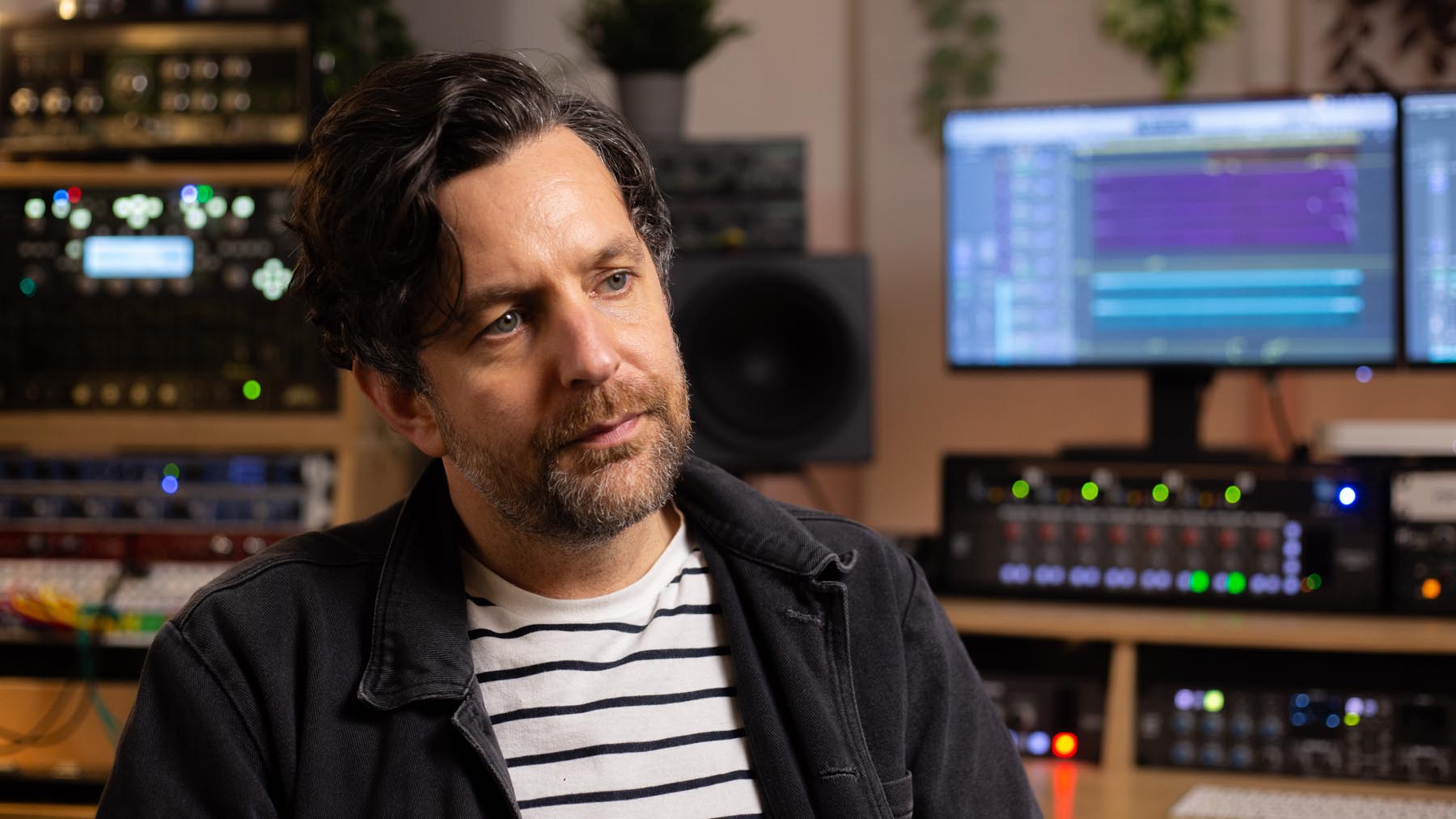
Music Producer Paul Rafferty also makes music under the name Ancient Plastix.
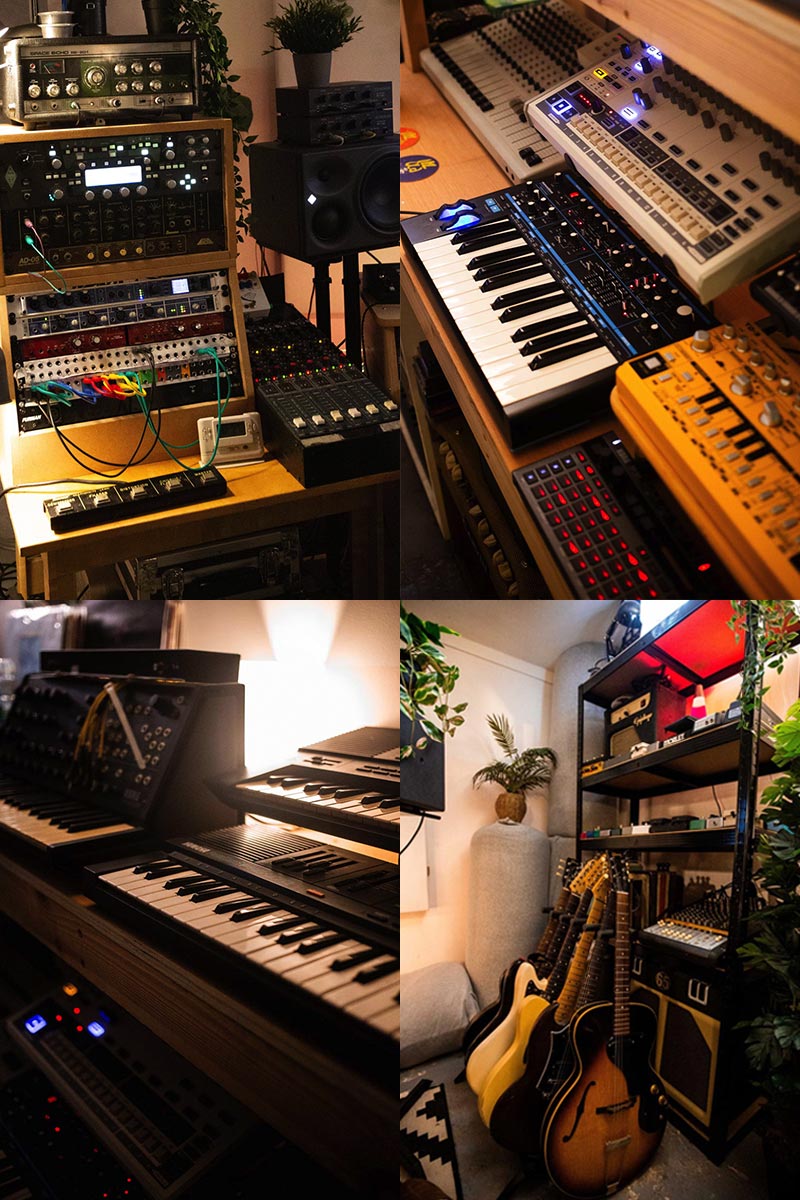
Favourite Bits of Gear
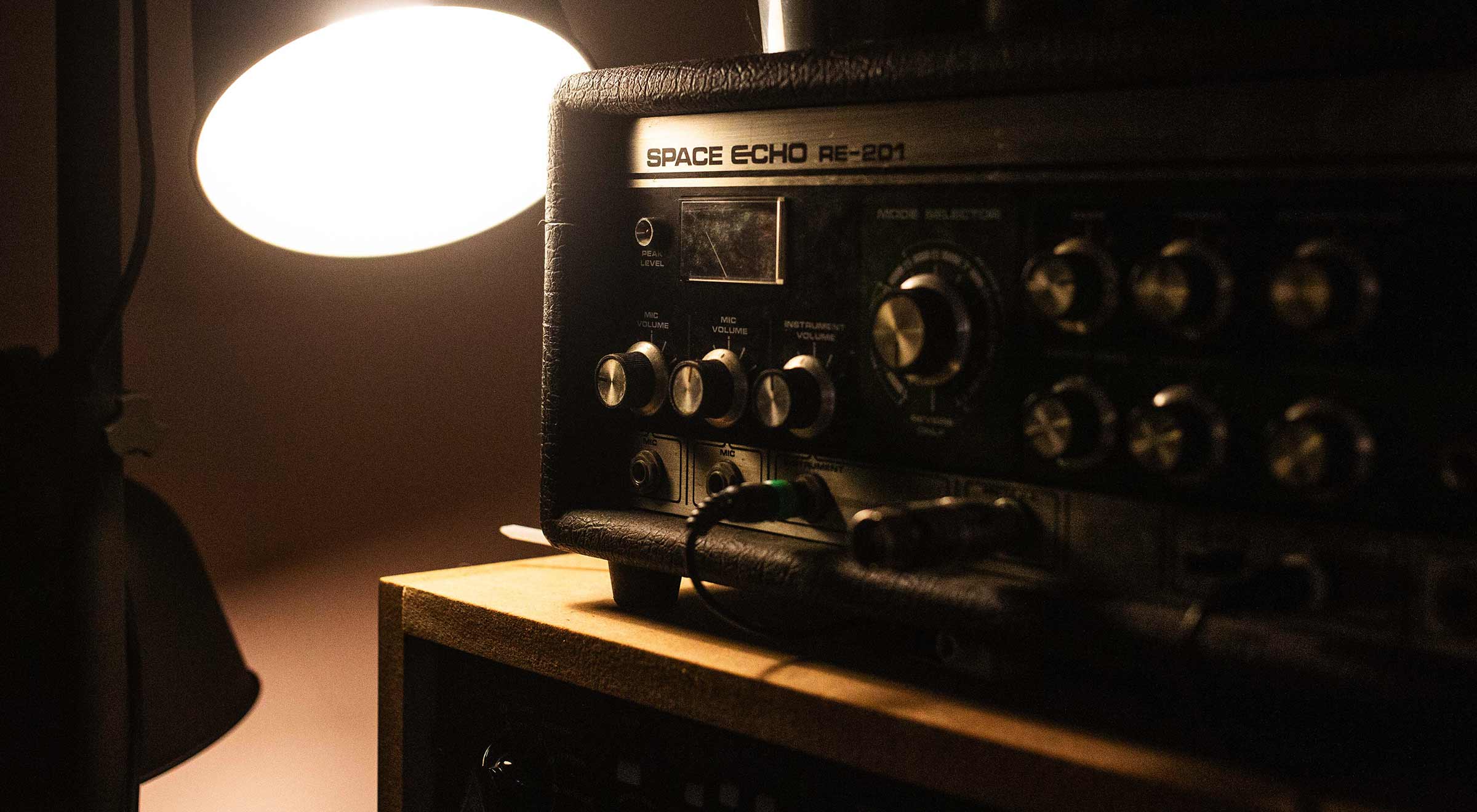
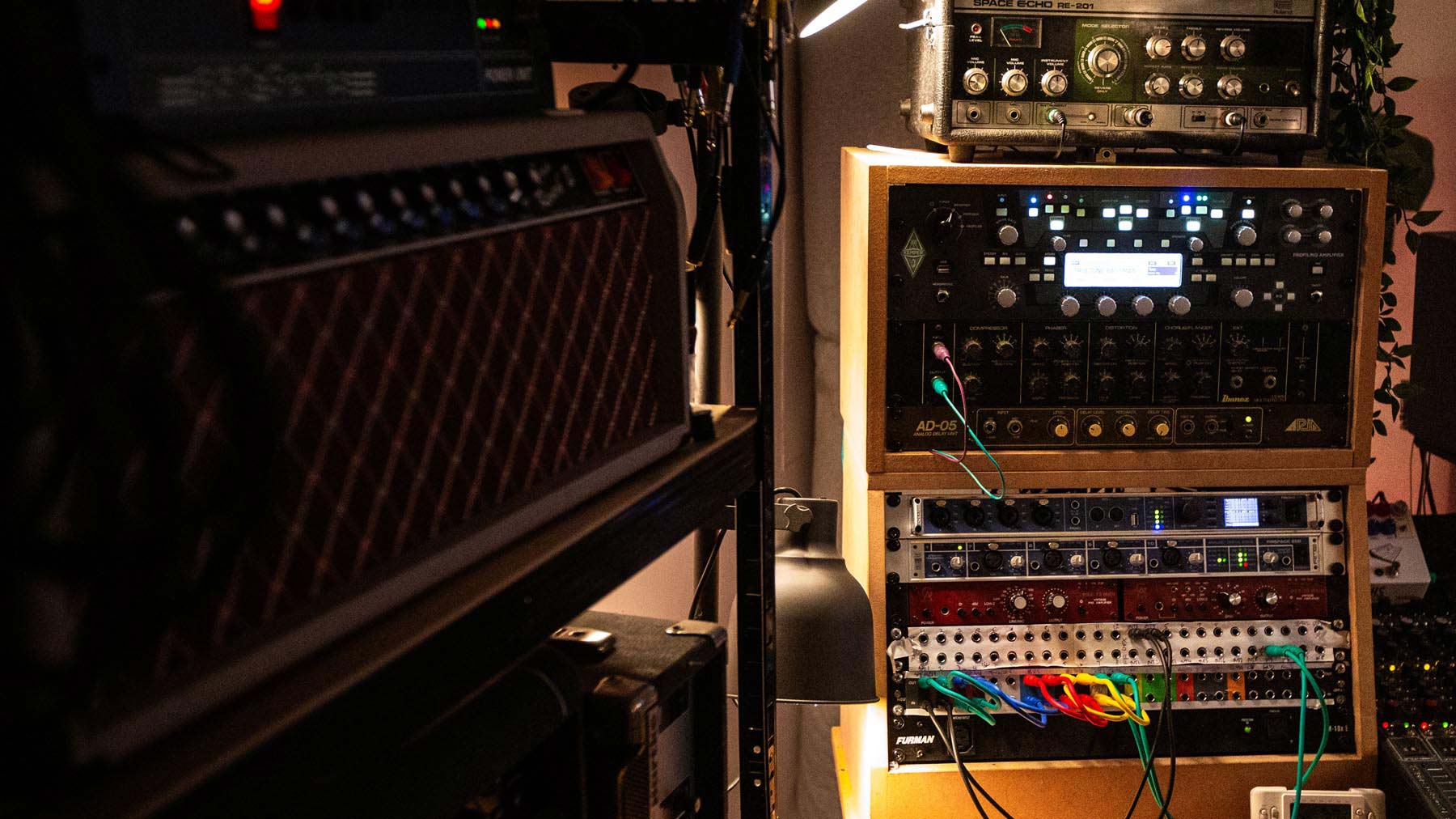
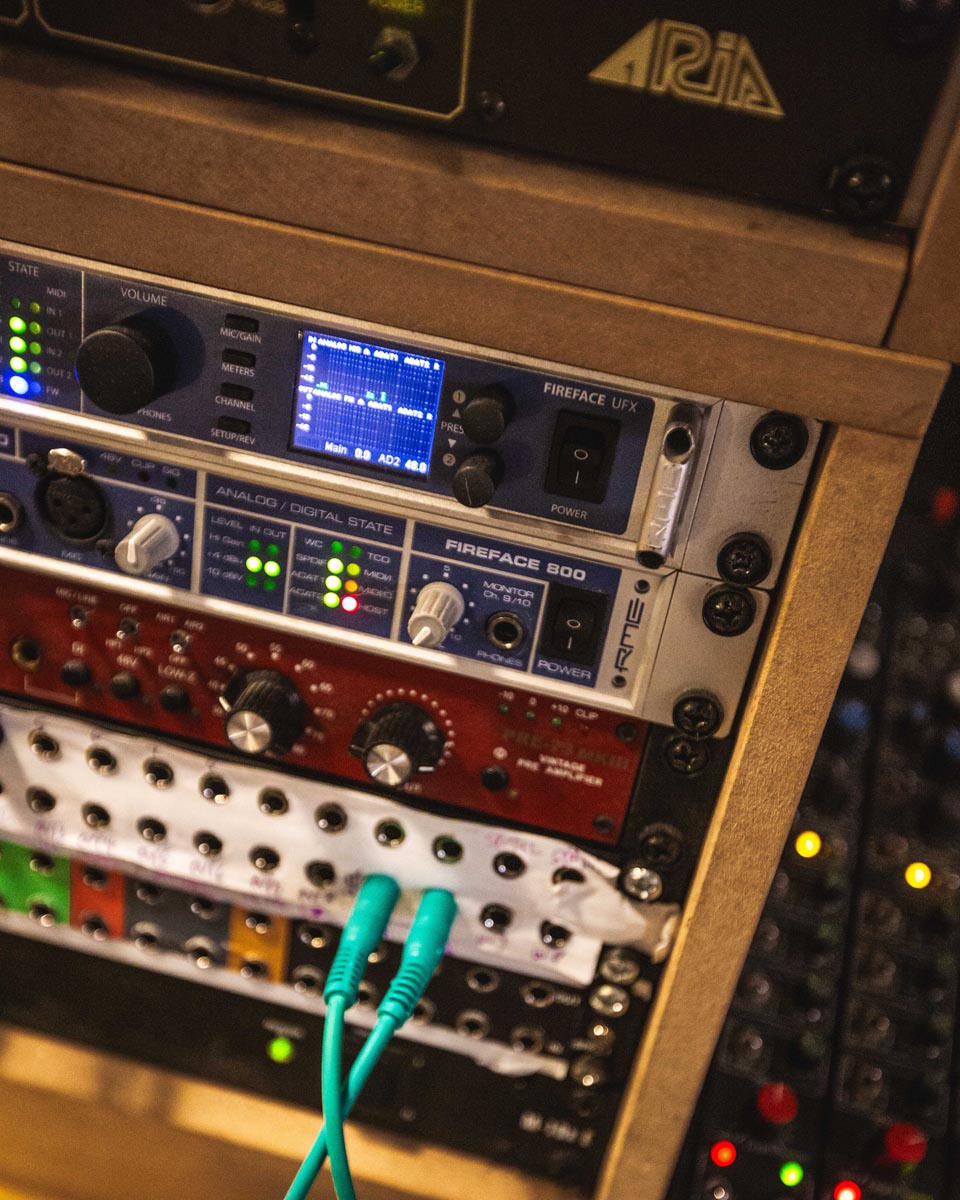
Paul has a particular fondness for analogue gear, including vintage Japanese tape machines, a Roland Space Echo, and a big collection of guitar pedals – all of which he routes through the studio’s central interface, an RME Fireface UFX.
“My favourite bit of gear is probably the Sansui,” Paul says. “It’s a kind of cassette ten-track, and it’s got a lovely mixing board that comes with it.
“The fidelity on them is actually like surprisingly high. It takes a lot of the top end off, but yeah they sound really good. The pitch control is incredible. I’ll find myself pitching vocals or synths right down, and then you get all of this beautiful sort of molecular information, that just sounds super organic and almost human.”
“In terms of plugins I’m a big fan of Sound Toys, especially the EchoBoy, and the PanMan. There’s really creative ways to use it, like sending it to two different mono busses that each do a different type of processing. So when it hits the right channel you’re getting different FX to when it hits the left.
“You can get really, really creative with it. And then messing with the rhythm steps to create even more changes.”
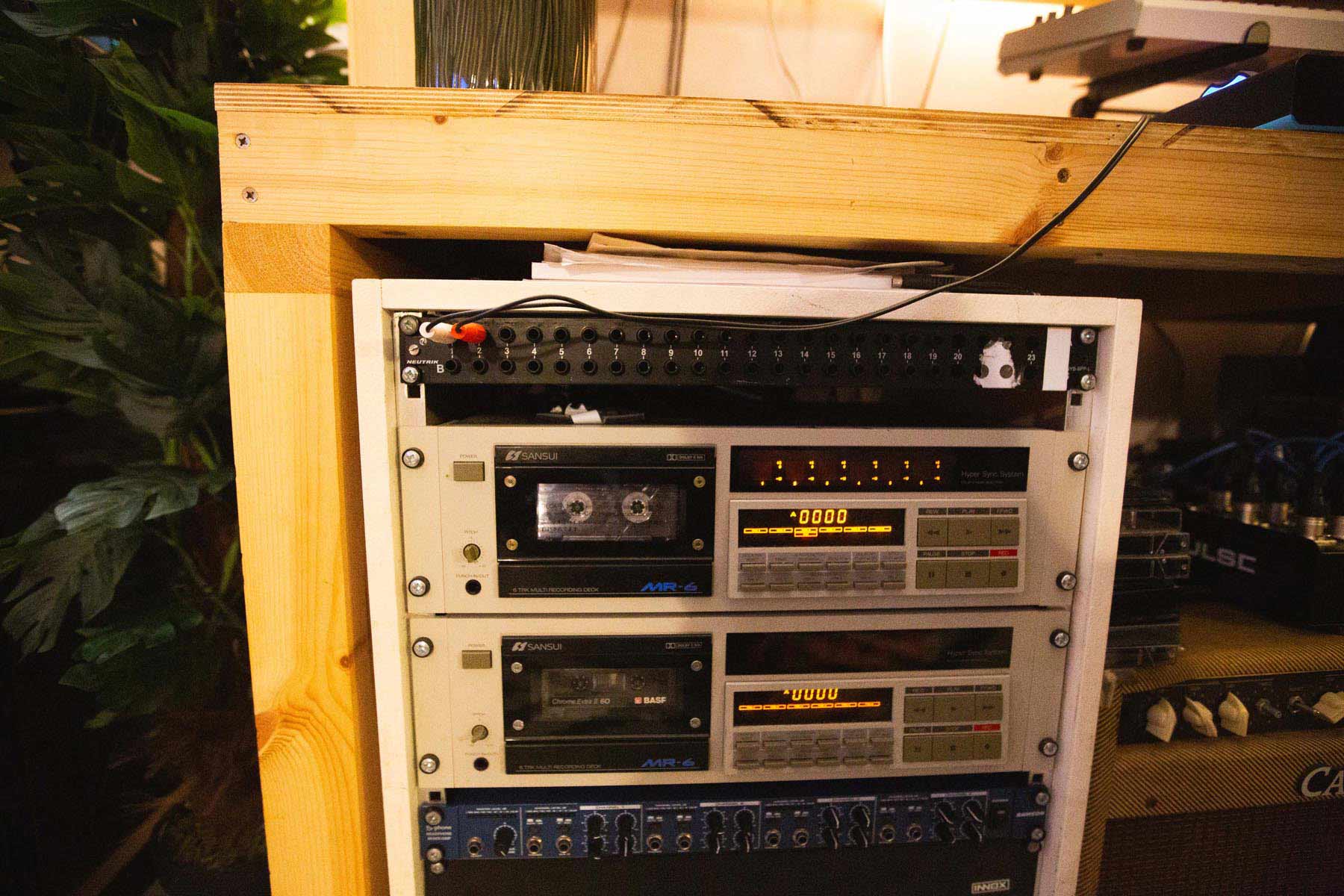
RME in the studio
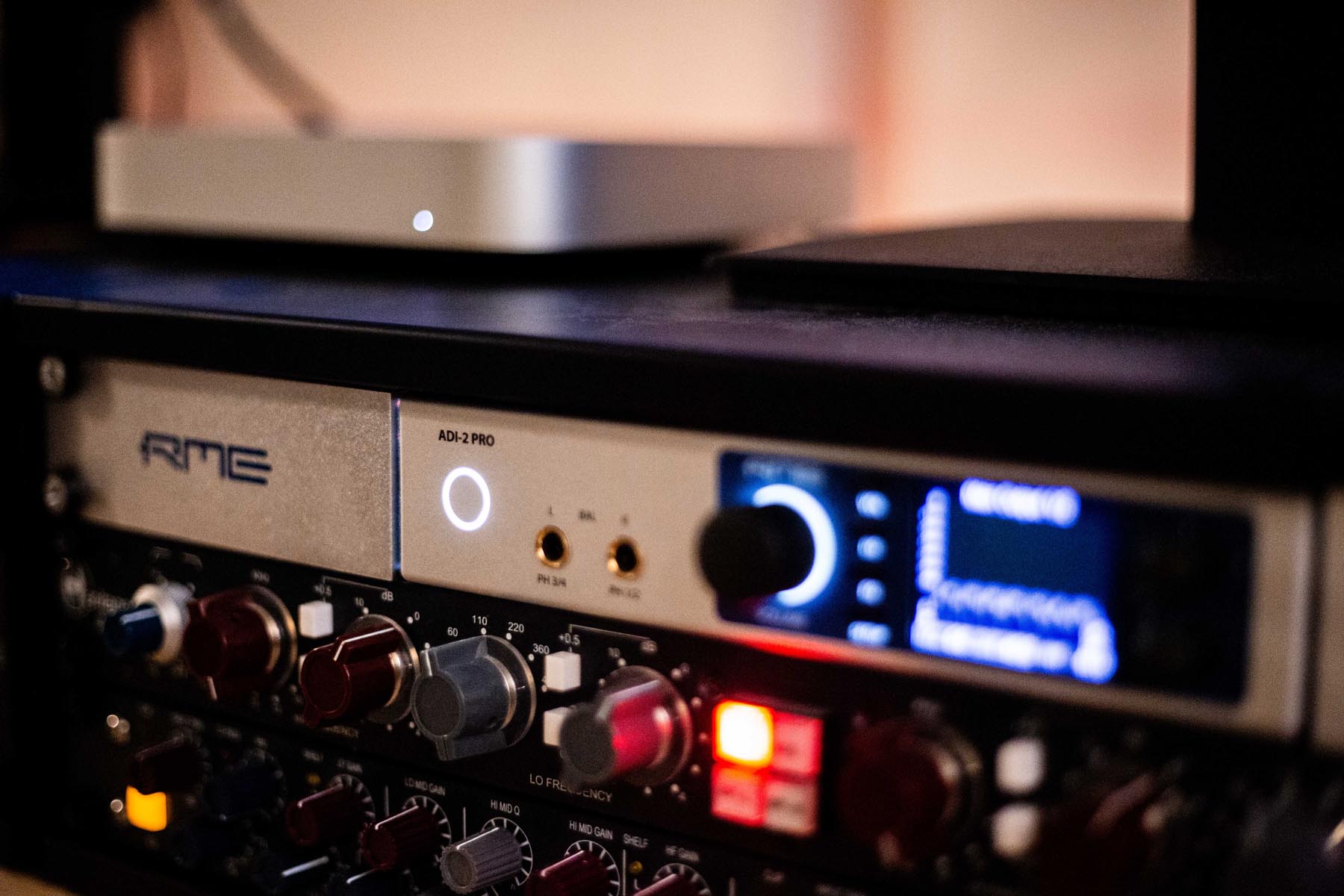
When it comes to their interface and converters, Permanent Collection combines analogue warmth with digital precision. Ste’s mastering chain includes Neumann monitors, SSL Fusion and Bus+ Compressor, Neve EQ, Heritage Audio EQ and the BetterMaker limiter. Central to the studio workflow are RME interfaces – the Fireface UFX, Fireface 800 and an ADI-2 Pro converter.
“We have an RME Fireface UFX over there. That’s complemented by the RME ADI-2 Pro, which does all my conversion,” explains Stephen. “We have two different setups, but they’re easy to switch between. So when I’m in mastering mode, the UFX and the ADI-2 comes on – that’s like a perfect mastering setup for me. But then when Paul is doing tracking, he tends not to use the ADI and has the 800 on a different setup in TotalMix. So it’s just a couple of clicks.”
While admitting interfaces aren’t really his thing – “I just prefer to have something that works” – Paul praised the advice and support he received on the RME Forum, which is still going strong in 2026.
“I did find the community surrounding RME to be super useful,” he says. “While I’m not super into interfaces, it turns out there’s a whole forum of people who are, who are so generous and helpful with the information that they have.
“So it’s been a very positive experience using RME stuff. Then of course we’re able to switch the setup easily depending on who’s in the studio. We’re on the same computer, but because we have separate profiles, that means that our TotalMix setups load differently depending on which profile you load, which is perfect for us.”
Advice for others? Use your ears…
As some parting advice, both Stephen and Paul emphasise that listening is central to their work – ultimately, it’s about developing your tastes. Stephen views this as the foundation of mastering:
“Listen to music. All the time,” Stephen says as advice for aspiring mastering engineers. “Really think about why you like something, or why you don’t like it. Why it sounds good, or why it sounds bad. Get that way of listening really familiar, so it becomes second nature.
“That’s what mastering is all about more than anything else. Once you’re familiar with what your tastes are, then the actual technical bit is pretty easy. It’s not that hard to learn how to use an EQ or compressor, but I think learning the taste side of things is something that‘s constantly developing.
“I still listen to music for fun all the time. Like I’ll leave a session and then be listening to music on my way home, just because I enjoy it. Which probably sounds nuts but it’s true.”
Paul echoes that philosophy for production and mixing:
“Yeah agreed – just listening to a lot of music, and being honest with what resonates with you. There’s so many different types of music, and people respond so differently to so many different things, and at different times.
“I think that the one thing you have to be is super authentic with yourself, and just allow yourself to enjoy the things that you enjoy. If you can do that, if you can follow that, then you’ll make something you’re truly excited about. Because that’s going to resonate with someone else in exactly the same way.”
Our thanks to Stephen and Paul!
See the full range of RME Audio devices
Links
www.instagram.com/permanent_collection_studio
www.instagram.com/ancientplastix